








A wedding certificate starts the case, but it does not finish it. The marriage green card process USA couples face is document-heavy, detail-sensitive, and often more emotional than people expect. One missing tax record, one unclear address history, or one poorly prepared interview can slow a legitimate case fast.
The good news is that most problems are preventable when you understand the process early. If you know which path applies to your marriage, what USCIS wants to see, and where delays usually happen, the case becomes far more manageable.
How the marriage green card process USA works
A marriage-based green card lets a foreign national become a lawful permanent resident through marriage to a U.S. citizen or lawful permanent resident. The basic idea sounds simple, but the route changes depending on where the immigrant spouse lives now and the status of the sponsoring spouse.
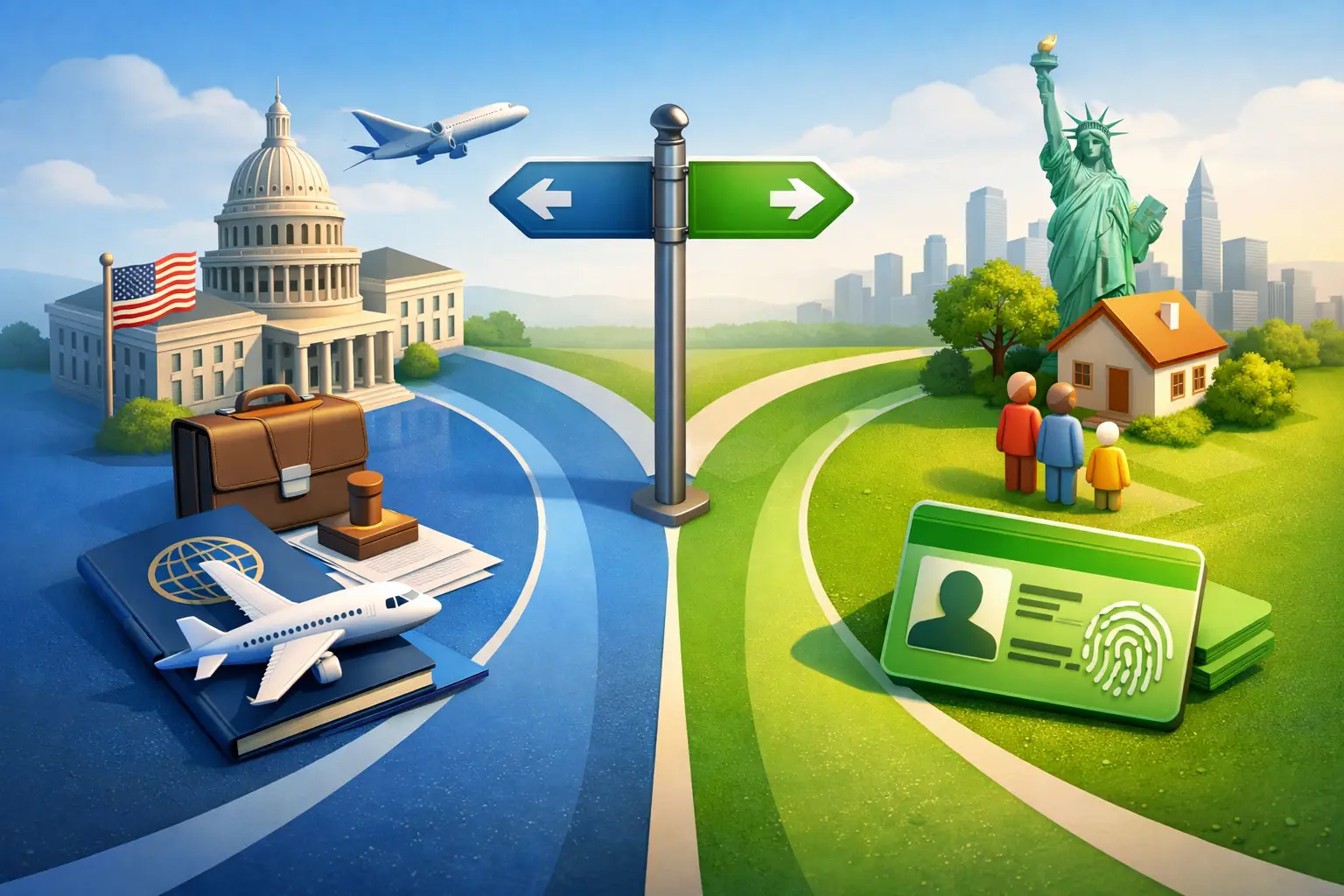
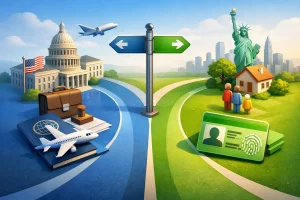
If the immigrant spouse is already in the United States and entered lawfully, the case may be handled through adjustment of status. If the immigrant spouse is outside the U.S., the case usually moves through consular processing at a U.S. embassy or consulate. Those two tracks lead to the same goal, but the forms, timing, and practical issues are different.
There is another major distinction that affects speed. Marriage to a U.S. citizen is generally faster than marriage to a green card holder because spouses of U.S. citizens are considered immediate relatives. Spouses of lawful permanent residents fall into a preference category, which means waiting for a visa number can become part of the process.
Step 1 – Confirm eligibility before filing anything
This is where smart cases are won. Before submitting forms, you need to confirm that the marriage is legally valid, the sponsor qualifies, and the immigrant spouse is actually eligible to receive a green card.
USCIS will look for a real marriage entered into in good faith, not one created mainly for immigration benefits. That means the couple should be prepared to show a genuine shared life. Joint financial records, housing documents, insurance, photos, travel records, and communication history can all help, but the right evidence depends on the couple’s facts.
Eligibility also depends on issues people often overlook. Prior visa overstays, unauthorized work, prior marriages that were not properly terminated, criminal history, immigration violations, and public charge questions can all affect strategy. Some issues are fixable. Some require waivers. Some change whether a couple should file now or wait.
That is why pre-qualification matters. A strong case starts with an honest review, not blind optimism.
Step 2 – File the right forms for your path
For most couples, the U.S. citizen or green card holder spouse begins by filing a family petition. That petition establishes that a qualifying relationship exists. If the immigrant spouse is eligible to apply inside the U.S., the green card application can often be filed at the same time in one package. If not, the immigrant spouse waits for the petition approval and then completes immigrant visa processing abroad.
In adjustment of status cases, couples often also file applications for work authorization and advance parole. That can be a major practical benefit because it may allow the immigrant spouse to work legally and, in some cases, travel while the green card is pending. But travel during a pending case can be risky if done incorrectly. This is one of those areas where one wrong move can create a serious problem.
For consular cases, after petition approval the file typically moves to the National Visa Center and then to the consulate. The case shifts from proving the relationship to also proving admissibility and document readiness for the immigrant visa interview.
Step 3 – Build evidence that proves a real marriage
This is the part couples underestimate most. USCIS does not just want a marriage license. It wants a believable, consistent story supported by documents.
Strong cases usually include evidence that the couple lives together, shares responsibilities, and presents themselves publicly as married. Joint bank statements can help, but a fresh account opened a week before filing is not as persuasive as a longer paper trail. A lease matters, but so do utility bills, tax filings, beneficiary designations, insurance policies, and records showing both spouses are integrated into each other’s daily lives.
Not every genuine couple has the same evidence. Newlyweds may not yet have years of shared documents. Long-distance couples may have fewer joint household records. Couples with cultural or religious reasons for delayed cohabitation may need to explain that clearly. There is no single perfect package. The goal is credibility, consistency, and enough documentation to make the marriage look real because it is real.
Step 4 – Prepare for biometrics and possible requests for evidence
After filing, USCIS usually schedules biometrics for the immigrant spouse. This is a standard background-check step involving fingerprints, a photo, and signature.
Some couples then receive a request for evidence. That does not automatically mean the case is weak. Sometimes USCIS wants a clearer birth certificate, a better translation, tax records, proof of lawful entry, or more marriage evidence. Still, a request for evidence should be taken seriously. A rushed or incomplete response can create bigger delays than the original issue.
This stage often tests patience. Cases can feel quiet for months, then suddenly move fast. Keeping copies, tracking notices, and responding on time is essential.
Step 5 – Attend the marriage interview
Many marriage green card cases require an interview. The officer’s job is to confirm that the relationship is genuine and that the immigrant spouse is admissible.
Most interviews are straightforward when the file is well prepared. The officer may ask how the couple met, where they live, how household expenses are handled, what each spouse does for work, and basic facts about the wedding or family routines. The purpose is not to trick honest couples. It is to test whether the paperwork matches real life.
Where couples get into trouble is inconsistency. Dates do not match. Prior addresses were guessed. One spouse says they moved in together in June, the other says August. None of those details sounds dramatic, but enough small contradictions can raise doubts.
If USCIS has fraud concerns, it may schedule a more intensive interview. That is not common for every case, but it is a real possibility where evidence is thin, facts are unusual, or prior immigration history raises questions.
Conditional residence vs. permanent residence
If the marriage is less than two years old on the day the green card is approved, the immigrant spouse usually receives conditional permanent residence valid for two years. That means the couple must later file a joint petition to remove conditions and prove the marriage is still real.
If the marriage is already at least two years old at approval, the immigrant spouse generally receives a 10-year green card instead.
This distinction matters because some couples think approval means the process is over. For conditional residents, it is not. Missing the removal-of-conditions filing window can create major problems.
How long does the process take?
There is no universal timeline. Processing depends on whether the sponsor is a U.S. citizen or green card holder, whether the case is filed inside or outside the U.S., local USCIS workload, consular delays, security checks, and whether the couple receives a request for evidence.
Some cases move relatively quickly. Others take much longer than expected even when the marriage is real and the forms were properly filed. That is frustrating, but normal. The better approach is to build a clean case at the start rather than gamble on speed and pay for it later with delays.
Common mistakes that slow good cases down
The most common problems are surprisingly ordinary. Couples submit incomplete forms, leave gaps in address or employment history, forget to include required civil documents, or send weak proof of a shared life. Others assume that love is obvious and documentation is secondary. USCIS does not work that way.
Another mistake is filing without understanding eligibility risks. A spouse who entered without inspection, has a prior removal order, or triggered unlawful presence bars may need a very different strategy. In those situations, speed should never come before analysis.
A third mistake is treating the interview casually. Honest couples still need preparation. A real marriage should be easy to explain, but immigration officers are evaluating legal eligibility, consistency, and credibility at the same time.
When professional guidance makes the biggest difference
Some marriage cases are clean and direct. Others involve prior divorces, children from previous relationships, immigration violations, criminal records, financial sponsorship issues, or missing documents from another country. Those are the cases where hands-on guidance can save months of delay and avoid preventable denials.
A strong immigration team does more than fill out forms. It screens for weak points early, helps organize evidence, prepares the couple for the interview, and keeps the case moving with a clear strategy. That is especially valuable for couples who want the process to feel faster, simpler, and less stressful.
If you are serious about building your life in the United States through marriage, treat the case like it matters from day one. A careful start gives your future the strongest footing.